

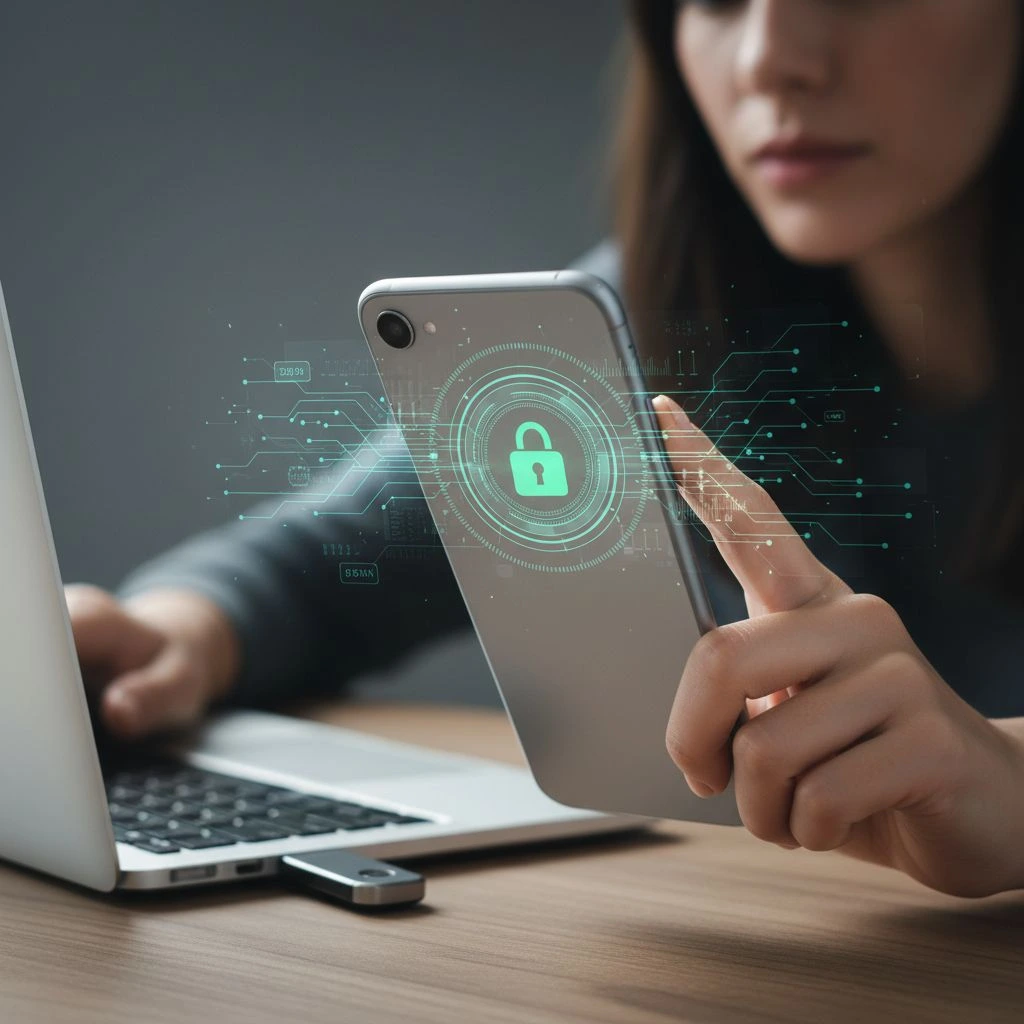

Enter Financial self-defense in 2026 requires a shift from traditional password protection to identity-first security. To protect your assets, you must implement three core defenses: biometric multi-factor authentication, credit freezes across all major bureaus, and a "verification first" protocol for AI-generated voice or video calls (deepfakes). In an era where "seeing is no longer believing," your greatest financial weapon is a healthy skepticism of unsolicited digital contact.
At a Glance: Financial self-defense in 2026 is the practice of securing liquidity, protecting tangible assets, and hardening digital defenses against AI-driven fraud. Essential steps include implementing a 3-tier cash system, utilizing hardware security keys (like YubiKey), and maintaining a permanent credit freeze across all three major bureaus to prevent synthetic identity theft.
The New Threats: Beyond Phishing
The days of misspelled emails are over. In 2026, scammers use generative AI to mimic the voices of loved ones or bank representatives.
The Deepfake Emergency: If a "family member" calls asking for money due to a crisis, hang up and call them back on a known, trusted number.
Synthetic Identity Fraud: Scammers combine real data bits with fake ones to create "Frankenstein" profiles. Action: Freeze your credit at Equifax, Experian, and TransUnion today—it’s free and the single best way to stop unauthorized accounts.
3 Pillars of 2026 Financial Security
- Virtual Cards for Subscriptions: Use services like Privacy.com or your bank’s virtual card feature for all online trials. This prevents "roach motel" subscriptions that drain your account.
- QR Code Awareness: Never scan a QR code in a public place (like a parking meter) without checking if it's a sticker covering a real code.
- Passkeys over Passwords: Transition to Passkeys (biometric logins) wherever possible. They are significantly harder for AI-driven bots to crack than traditional text passwords.
Financial Self-Defense: The 2026 Guide to Digital Asset Protection
The Evolution of the Threat
In 2026, financial theft is no longer just about stolen credit cards. It’s about Identity Synthesis. Scammers use AI to scrap your social media, clone your voice, and bypass traditional security questions. Financial self-defense is now about Information Siloing.
1.Biometric & Hardware Barriers
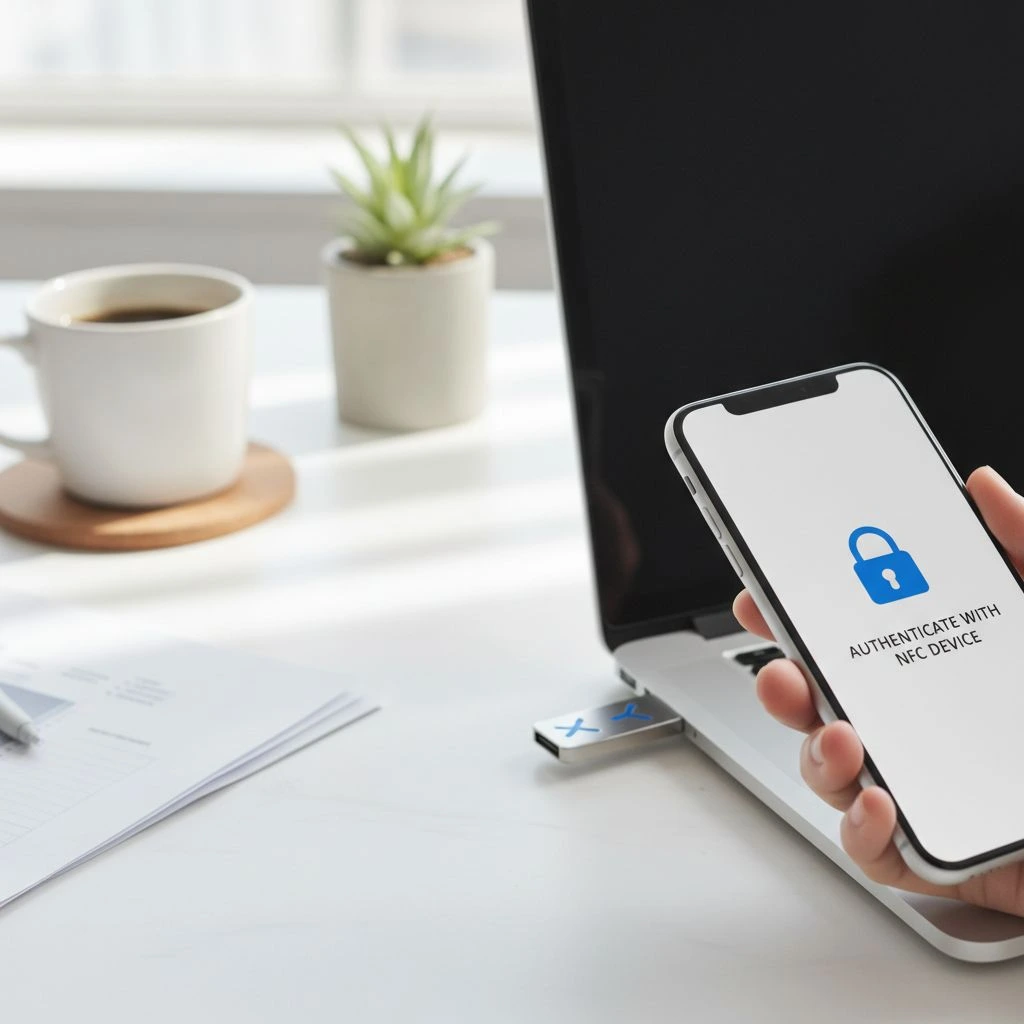
Stop relying on SMS codes (text messages) for 2FA. They are easily intercepted via "SIM swapping."
- Hardware Keys: Use a YubiKey for your primary email and banking. It is a physical USB/NFC device that must be present to log in.
- Passkeys: Transition to biometric "Passkeys" (FaceID/TouchID) which are resistant to AI-driven phishing.
2. The "Deepfake" Verification Protocol
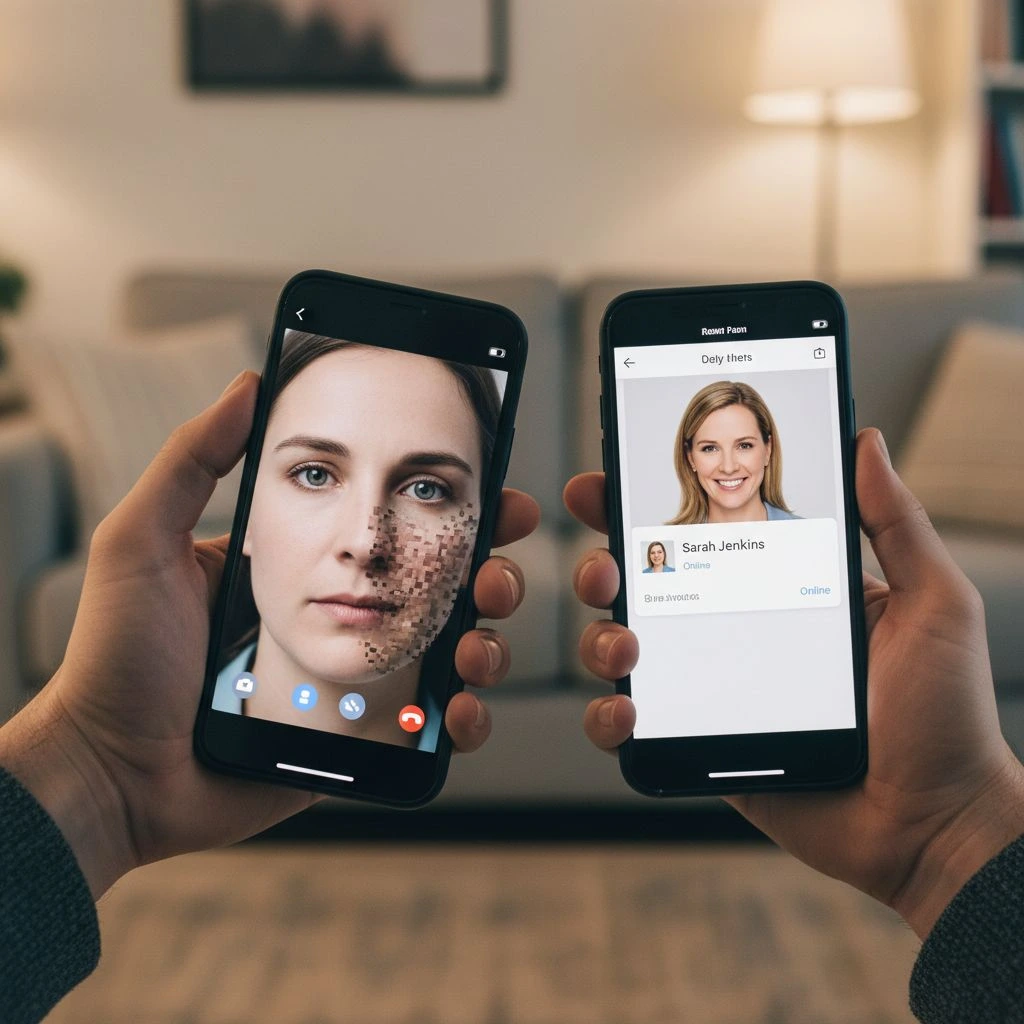
If you receive a call from a "family member" in distress or a "bank agent" asking for a code:
- Hang up.
- The Safe Word: Establish a secret family "safe word" that cannot be found online.
- Out-of-Band Verification: Contact them via a different app (e.g., if they called your cell, message them on a pre-verified encrypted app like Signal).
3. Defensive Banking Habits
- Travel Credit Cards: Use a separate credit card with a low limit for all travel and online shopping.
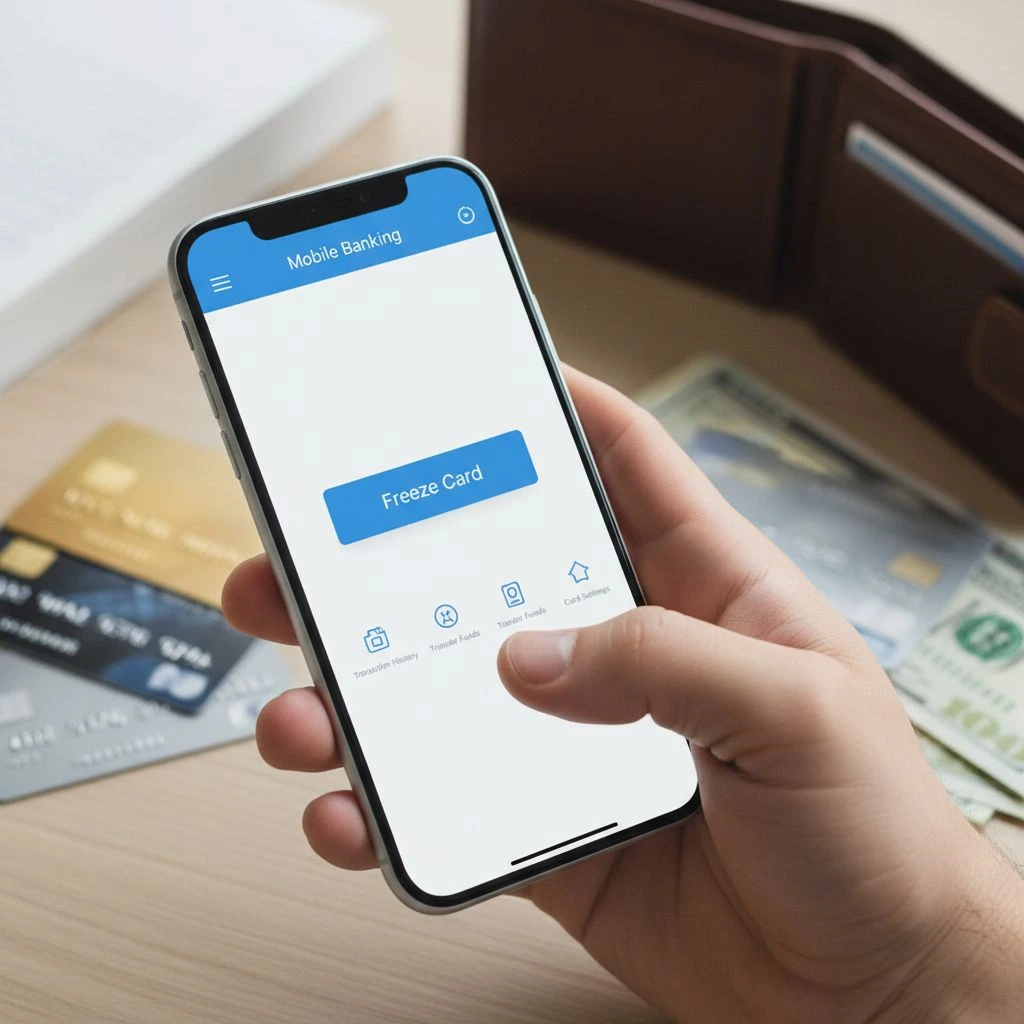
- The "Kill Switch": Know exactly how to "freeze" your cards in your banking app instantly. Practice this once a month.
FBI's guide on Deepfake crimes
| Modern Digital Risk | Recommended Physical Defense |
|---|---|
| AI Voice Cloning (Deepfakes) | Family "Safe Word" Verification Protocol |
| SMS 2FA Interception (SIM Swapping) | Physical Hardware Security Key (e.g., YubiKey) |
| Synthetic Identity Fraud | Permanent Credit Freeze at all 3 Bureaus |
| Data Breach/Card Skimming | Virtual Credit Cards (via Privacy.com) |
| Banking App Lockout/Grid Down | 3-Tier Physical Cash Reserves (Small Bills) |
Financial Self-Defense: 2026 Resource List
To implement a "Zero-Trust" financial policy, you need the right tools. Here are the 2026 gold standards for protecting your digital assets:
Hardware Security Keys: * Yubico Security Key C NFC: The most affordable and rugged option for USB-C and mobile tap-to-verify.
Google Titan Security Key: Ideal for those deeply embedded in the Google ecosystem.
Identity Theft Protection Services: * Aura: Best for full-family protection, including AI-driven scam detection and a $5M insurance policy.
ID Shield: Known for having licensed private investigators on call if your identity is ever compromised.
Financial Privacy Tools:
Privacy.com: Allows you to create "Virtual Credit Cards" for every merchant, so your real card number is never exposed in a data breach.
Bitwarden: An open-source, highly secure password manager that supports the new 2026 "Passkey" standard.
Conclusion
Securing your assets is a vital step, but it’s only one part of the equation. If you haven't yet secured your home perimeter, read our next guide on Defensive Property Security or revisit the 5 Essential Homesteading Skills for Women to ensure your production is as strong as your protection.
FAQ: Financial Self-Defense
A: While a VPN encrypts your traffic, it is still safer to use your cellular data (5G/LTE) for financial transactions. If you must use public Wi-Fi, ensure your "Kill Switch" on the VPN is active to prevent data leaks if the connection drops.
A: In 2026, AI can clone a loved one's voice with just a 3-second audio clip from social media. The best defense is the "Safe Word" protocol. If you receive a distressing call, ask the person for your family’s secret code word. Additionally, pay attention to the "pacing"—AI clones often have unnatural pauses or a slightly robotic cadence during interruptions. When in doubt, hang up and call the person back on their saved number.
A: Generally, yes—digital wallets like Apple Pay or Google Pay are actually more secure than physical cards because they use "tokenization." This means your real card number is never shared with the merchant. However, the 2026 risk is "RFID Skimming" in crowded areas. To protect yourself, use an RFID-blocking wallet or sleeve to prevent scammers from using handheld AI-powered scanners to "sniff" your card data through your purse or pocket. For maximum defense, always require biometric ID (FaceID or Fingerprint) to authorize any transaction on your phone.
A: You should monitor your credit in real-time using apps like Credit Karma, but more importantly, you should keep a permanent freeze on your credit files at all three bureaus. Only "thaw" them when you are actively applying for a loan.
A: Yes, through a method called "Session Hijacking" or "Man-in-the-Middle" attacks. Scammers use AI to create perfect replicas of your bank’s login page. When you enter your 2FA code into the fake site, the AI "captures" it and uses it on the real site in real-time. To prevent this, never click links in text messages or emails. Always type your bank’s URL directly into your browser or use their official mobile app.
A: If you believe your digital identity is being used for "Deepfake" scams, immediately harden your digital footprint. Set your social media profiles to private, remove public videos that feature your clear voice or face, and alert your inner circle (family, banks, and coworkers) that you are at risk. Implementing a hardware security key (like a YubiKey) for your financial accounts adds a layer of protection that AI cannot replicate.