



Turn your home into a hard target this weekend. These 5 drills cost under $200, work without electricity, and make intruders pick an easier house.
At a Glance: Home Hardening means making your property physically difficult to breach while keeping it functional off-grid. The three pillars: Defensive Landscaping (thorny botanicals under windows), Entryway Reinforcement (3-inch steel screws and security film), and Off-Grid Surveillance (solar cameras with local storage).
| Security Layer | The Weakness | The 2026 Fix |
| Windows | Standard glass breaks in seconds | Security Film (prevents shattering) |
| Door Frames | 1-inch screws fail under pressure | 3-Inch Steel Screws into the wall stud |
| Shrubs | Bushes provide cover for intruders | Thorny Shrubs (Holly/Roses) under windows |
| Surveillance | Cloud cameras fail when Wi-Fi is cut | Solar/SD Card Cameras (Local Storage) |
| Night Safety | Dark pockets near entrances | Solar Motion-Sensing 2000+ Lumen LEDs |
The 5 Defensive Drills
Drill #1: The Perimeter "Lume" Audit
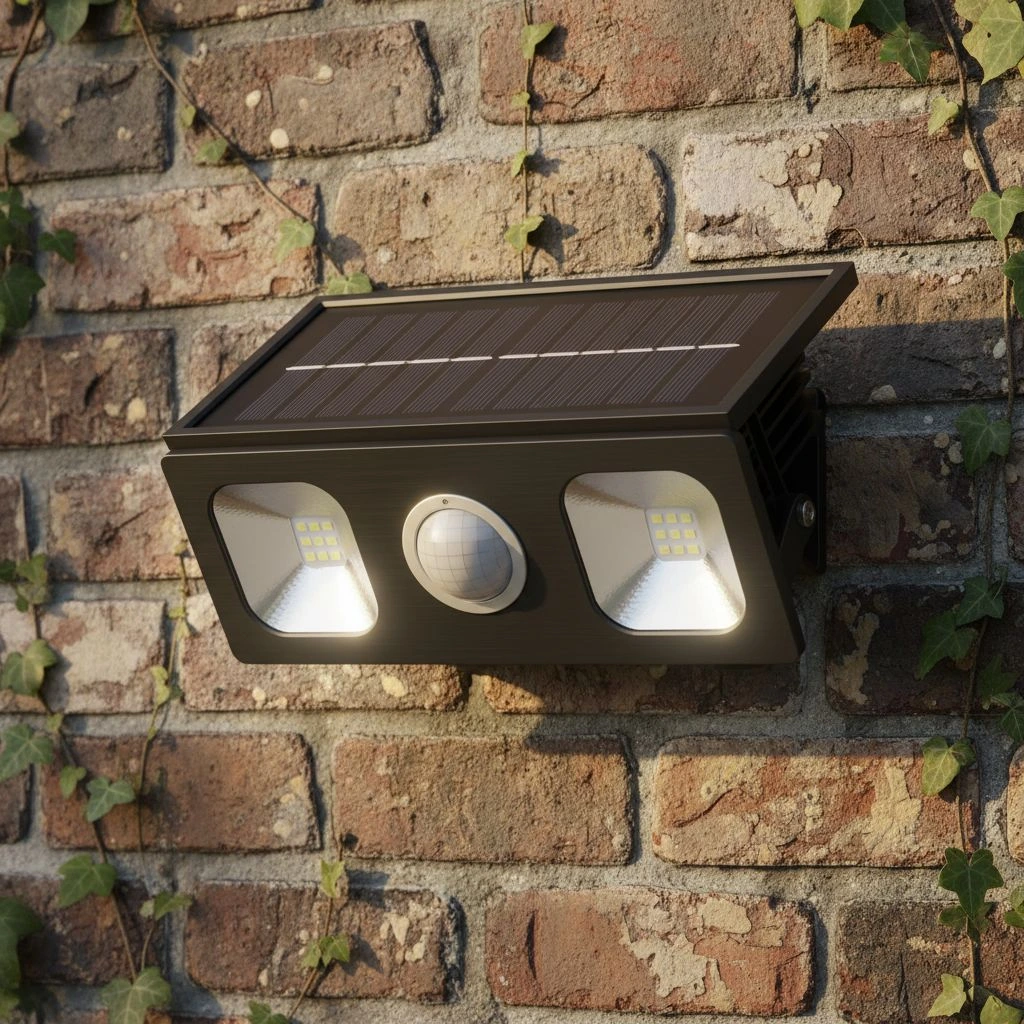
Walk your property boundary at 10 PM. Spot every shadow where someone could stand unseen. Then mount solar-powered, motion-activated floodlights (2000+ lumens) above those dark zones. Sudden light creates a powerful "startle" response: the intruder knows they've been seen.
- Step 1: Night Audit. Walk the boundary at 10 PM. Look back at your house from the street and the backyard. Find every dark pocket.
- Step 2: Mark "Lume" Points. Flag areas above entry points (doors, windows) and dark corners.
- Step 3: Mount Solar-Motion LEDs. Install 2000+ lumen solar lights. Position them high enough to prevent tampering. Angle each sensor toward the most likely path of approach.
Drill #2: Nature's Barbed Wire (Defensive Landscaping)
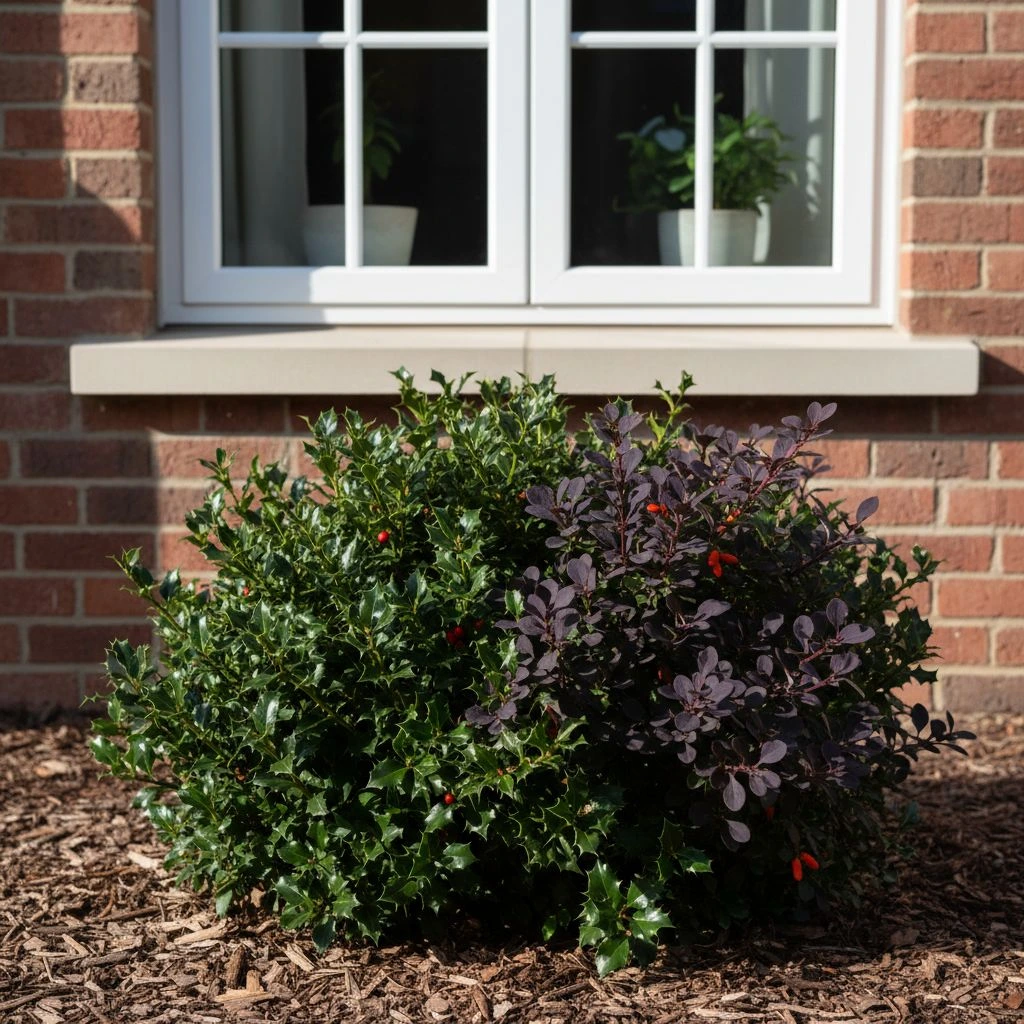
Plant thorny shrubs like Holly, Berberis (Barberry), or Roses directly beneath every ground-floor window. This makes a window breach painful and noisy. Trim plants below the sill so they can't serve as cover. Keep them close to the wall so no one can squeeze behind.
Mapping Your "Thorny Zones"
- Step 1: Find "Soft" Points. Walk around your home. Every ground-floor window is a target.
- Step 2: Plant the Buffer. Place defensive shrubs right beneath these windows. The goal: make it impossible to stand close enough to pry the glass open without hitting thorns.
- Step 3: Reinforce the Fence Line. If you have a low fence, grow climbing thorny vines (Bougainvillea or Climbing Roses) along the top. Beautiful and brutally effective.
Why It Works
Cameras can be spray-painted. Alarms can be bypassed. A 6-foot wall of thorns? That's a different problem entirely. Botanical barriers create a painful, loud, frustrating obstacle for anyone approaching your windows or climbing your fences.
The 2026 "Queen Bee" Plant List
| Plant Name | Defense Type | Best Use |
| Holly (Ilex) | Sharp, stiff leaves | Year-round privacy hedges and window buffers |
| Berberis (Barberry) | Hidden, needle-like thorns | Low-growing, dense shrubs for under-window "no-go" zones |
| Pyracantha (Firethorn) | Massive, long thorns | Train to grow up walls or fences as a trellis |
| Oregon Grape | Spiny, holly-like leaves | Shade-tolerant; perfect for the dark side of the house. |
Pro-Tip: Leave room for full growth, but keep plants tight to the wall so intruders can't slip behind. Always trim below the window sill so shrubs can't double as hiding spots.
Drill #3: Entryway Hardening (The 3-Inch Rule)
Most door frames use 1-inch screws that only grip the decorative trim. Replace them with 3-inch hardened steel screws in both hinges and strike plates. This anchors the door into the structural wall studs, making a kick-in nearly impossible.
- Step 1: Remove the Weak Links. Unscrew one factory 1-inch screw from the top hinge of your exterior door.
- Step 2: Drive the Anchor. Replace it with a 3-inch hardened steel screw. Drill through the jamb and deep into the wall stud.
- Step 3: Secure the Strike Plate. Repeat for the strike plate. This creates a "steel-to-stud" connection that resists heavy impact.
Skill #4: Off-Grid Surveillance & Communication
Your security should work without the grid. Install solar-powered cameras with local SD card storage so they keep recording even if Wi-Fi is cut or the power fails. Then set up a "PACE" plan (Primary, Alternate, Contingency, Emergency) so family members can signal each other using non-verbal cues if phones go down.
- Step 1: Go Local. Swap cloud-dependent cameras for units with SD card slots and solar panels. Local recording means footage is saved even if your internet gets jammed.
- Step 2: Set "Silent Signals." Create 3 non-verbal signals for the family. Example: a specific blind half-closed means "Stay Out." A certain outdoor light left on means "Emergency / Call 911."
- Step 3: Run the Blackout Test. Kill your main breaker and Wi-Fi router. Confirm cameras still record. Confirm the family can communicate using Silent Signals or backup radios.
Drill #5: The "Hard Point" Protocol (Safe Room)
Skill #5: The "Hard Point" Protocol (Safe Room)
Your perimeter is the first line of defense. Your "Hard Point" is the last. This is one designated room where everyone retreats if an intruder enters the home.
- Step 1: Choose Your Stronghold. Pick a room with a solid-core door (usually the master bedroom) and a window for emergency exit.
- Step 2: Reinforce the Barrier. Replace any hollow-core interior door with a solid-core wood or metal-clad door and a high-quality deadbolt. This creates a secondary perimeter inside the house.
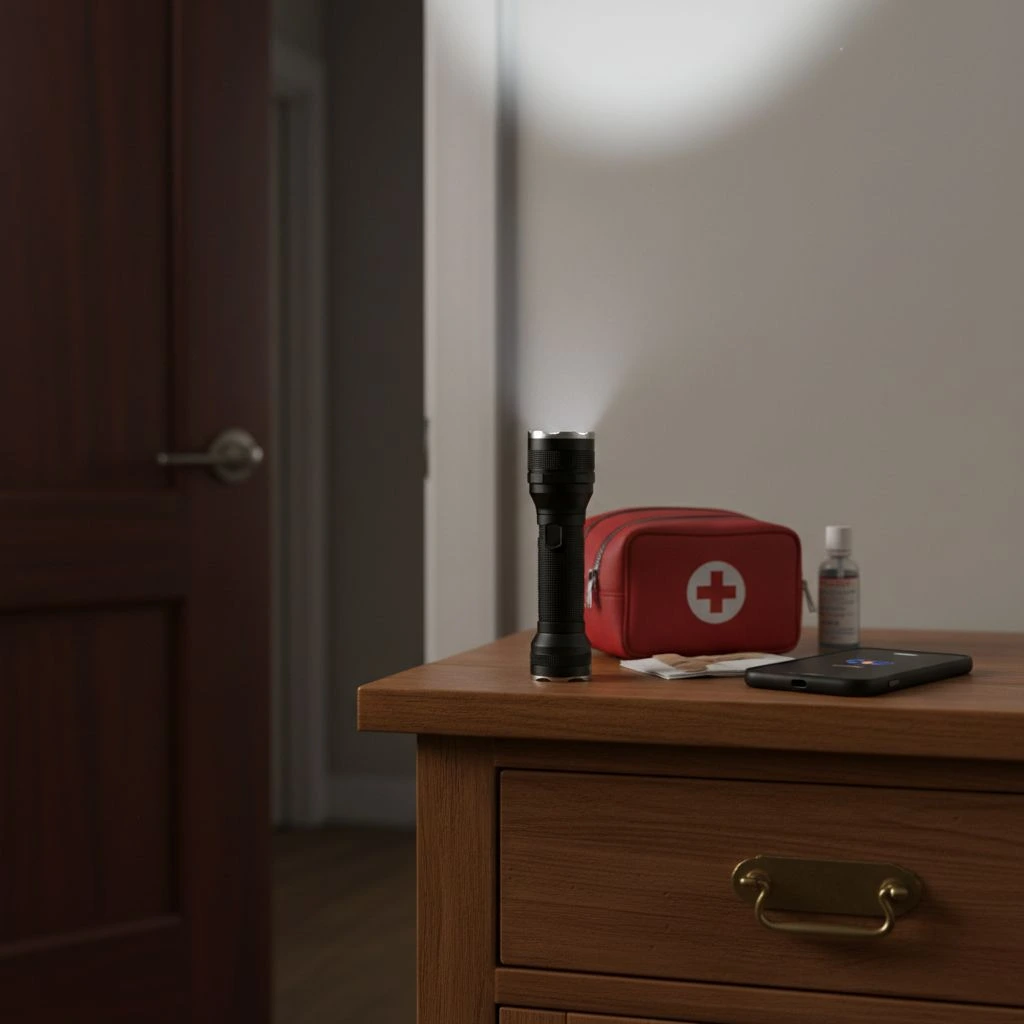
- Step 3: Stage the Kit. Keep a "Safe Room Kit" in a consistent, reachable spot (under the bed or in the nightstand):
- A charged backup phone or secondary radio
- A high-intensity tactical flashlight (1000+ lumens)
- A basic trauma kit (tourniquet, gauze, pressure bandage)
The Drill: The 30-Second Sprint. Practice getting every family member from any point in the house to the Hard Point in under 30 seconds. Lock the deadbolt. Call 911.
The Goal: You force an intruder through a single, reinforced bottleneck while you're already on the phone with emergency services. You're creating a tactical advantage, not just hiding.
FAQ: Defensive Property Security
The Queen Bee Trinity of Self-Reliance
Hardening your home is the final step in total autonomy. Make sure you've mastered all three pillars:
- Production: 5 Essential Homesteading Skills for Women
- Protection: Financial Self-Defense: Protecting Your Assets
- Perimeter: Defensive Property Security (You are here!)